The machine is running. Organic waste is being processed. Fresh biochar is coming off the production line.
From the factory floor, everything looks right, then an auditor walks in.
They are not there simply to admire the equipment or inspect the finished product. They want to understand everything that happened before that biochar was produced, how it was made and where it went afterwards.
Their first question is simple: Can you prove what happened here?
Where did the biomass come from? How much entered production? What conditions were maintained inside the machine? Was the finished biochar tested? And where did it end up?
A factory may have months of production behind it, but if it cannot provide reliable evidence to support its carbon removal claims, its project could face delayed verification or have certain batches excluded from crediting.
This is an important distinction in the biochar industry. Producing biochar does not automatically qualify a project for carbon credits. The project must demonstrate that it meets the requirements of its chosen carbon-crediting standard.
At Biochar Industrial Group (BIG), our experience on the factory floor gives us a practical understanding of why these records matter. So, let's follow the auditor through the facility and look at five areas where the evidence needs to be in place.
1. First stop: The feedstock. Where did it come from?
Before the auditor gets anywhere near the production equipment, they want to know what is entering the factory.
What type of biomass is being processed? Where was it sourced? How much was delivered? Can the factory identify its suppliers?
These questions matter because not every feedstock automatically qualifies under every carbon crediting methodology.
A factory should maintain supplier agreements, delivery notes, weighbridge tickets, purchase records and information identifying the origin and type of biomass received. Together, these documents establish a traceable history of the material.
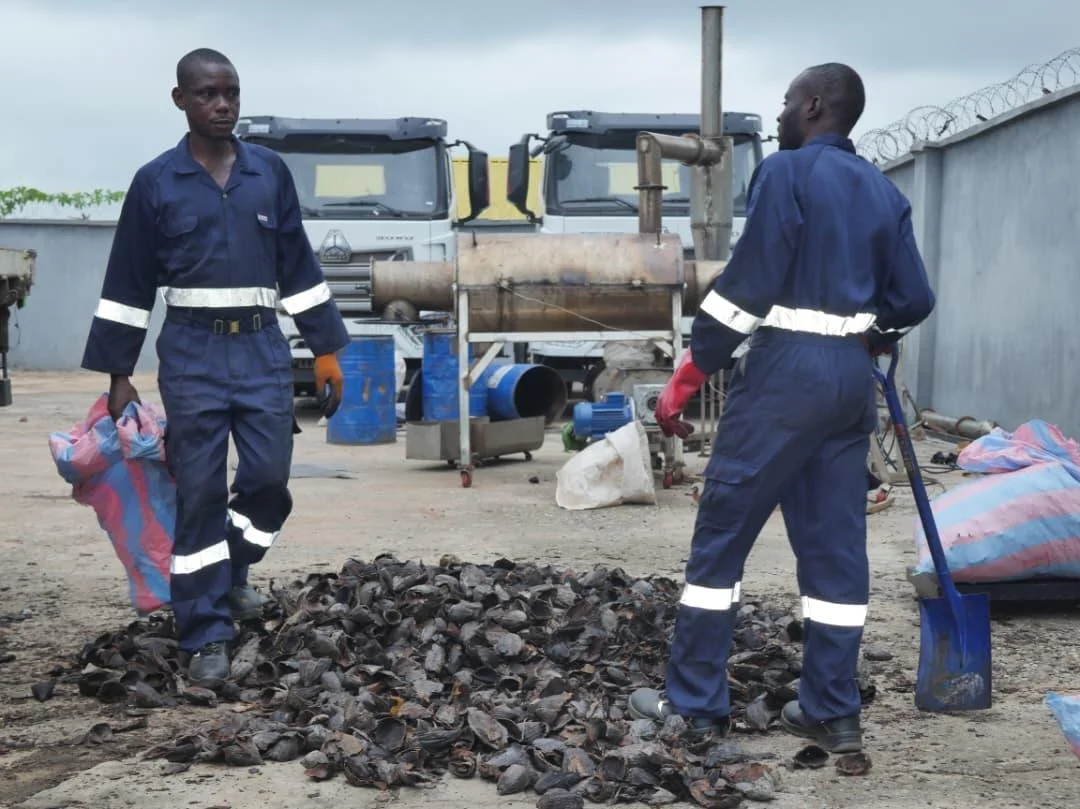
At BIG, understanding the raw material is part of the operational process. Its condition, including moisture levels, can influence how it behaves during processing. Recording what arrives helps the team connect the incoming material to the production that follows.
But knowing what entered the factory is only the beginning. The auditor now wants to know what happened to it.
2. Inside the production line: What happened during processing?
The auditor moves towards the machinery. This time, the questions are about the production process itself.
How much feedstock was processed? What temperatures were maintained? Were there interruptions? Did the equipment operate as expected?
Production logs help answer these questions. They should capture processing dates, batch quantities, operating temperatures, relevant production conditions, interruptions and equipment performance.
At BIG, temperature readings and raw-material levels are among the operational details monitored by the team. Kingsley, our electrical technician, checks readings across the raw material and heat channels, helping the team keep track of what is happening during production.
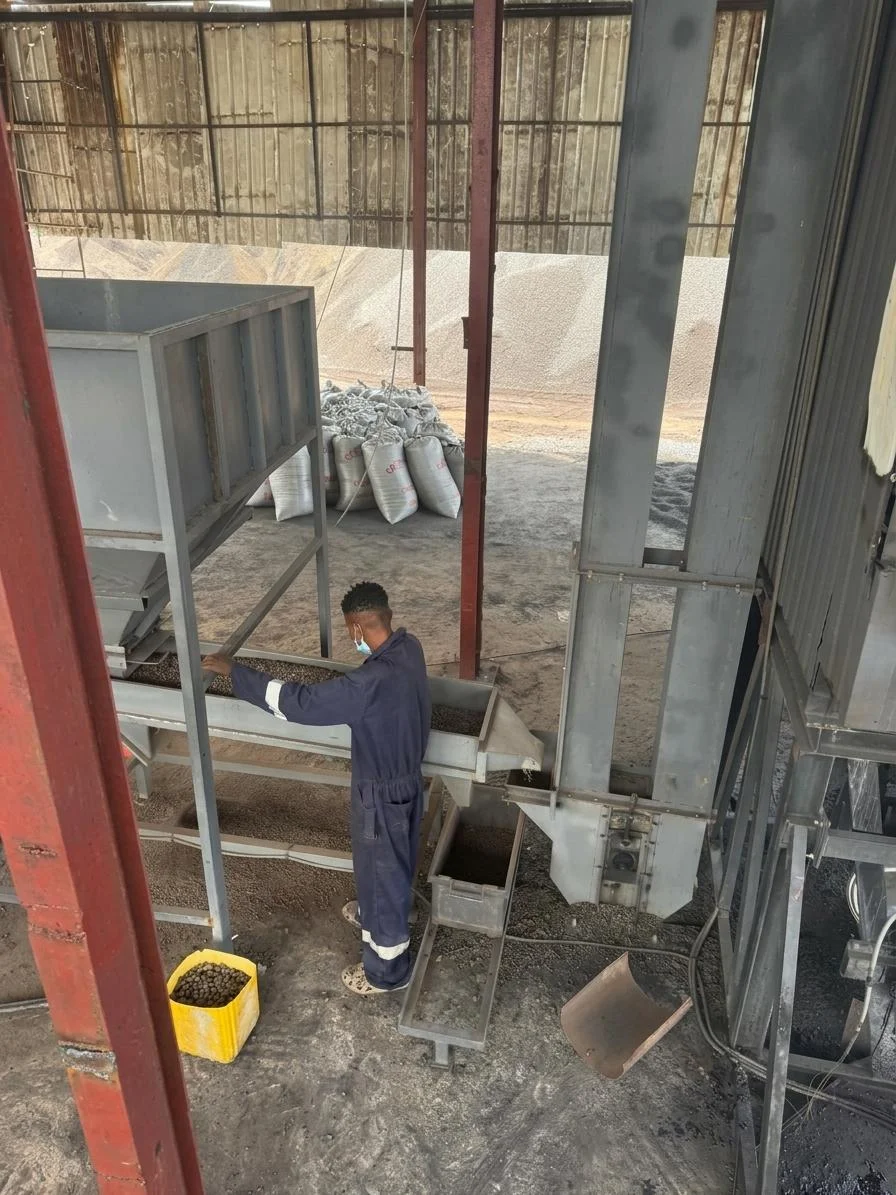
These records are important because they show more than whether the machine was running. They help establish the conditions under which each batch was produced and whether those conditions meet the applicable methodology.
And that brings us to another reality of running a factory: production does not always go exactly as planned.
3. When something goes wrong: Can the factory explain it?
Machines need maintenance. Components can malfunction, and production sometimes requires adjustments.
At BIG, an actuator problem once required the team to switch from the automatic actuator-driven auger system to manual operation using an electric gear motor. Troubleshooting involved checking for blockages, making adjustments and testing the system.
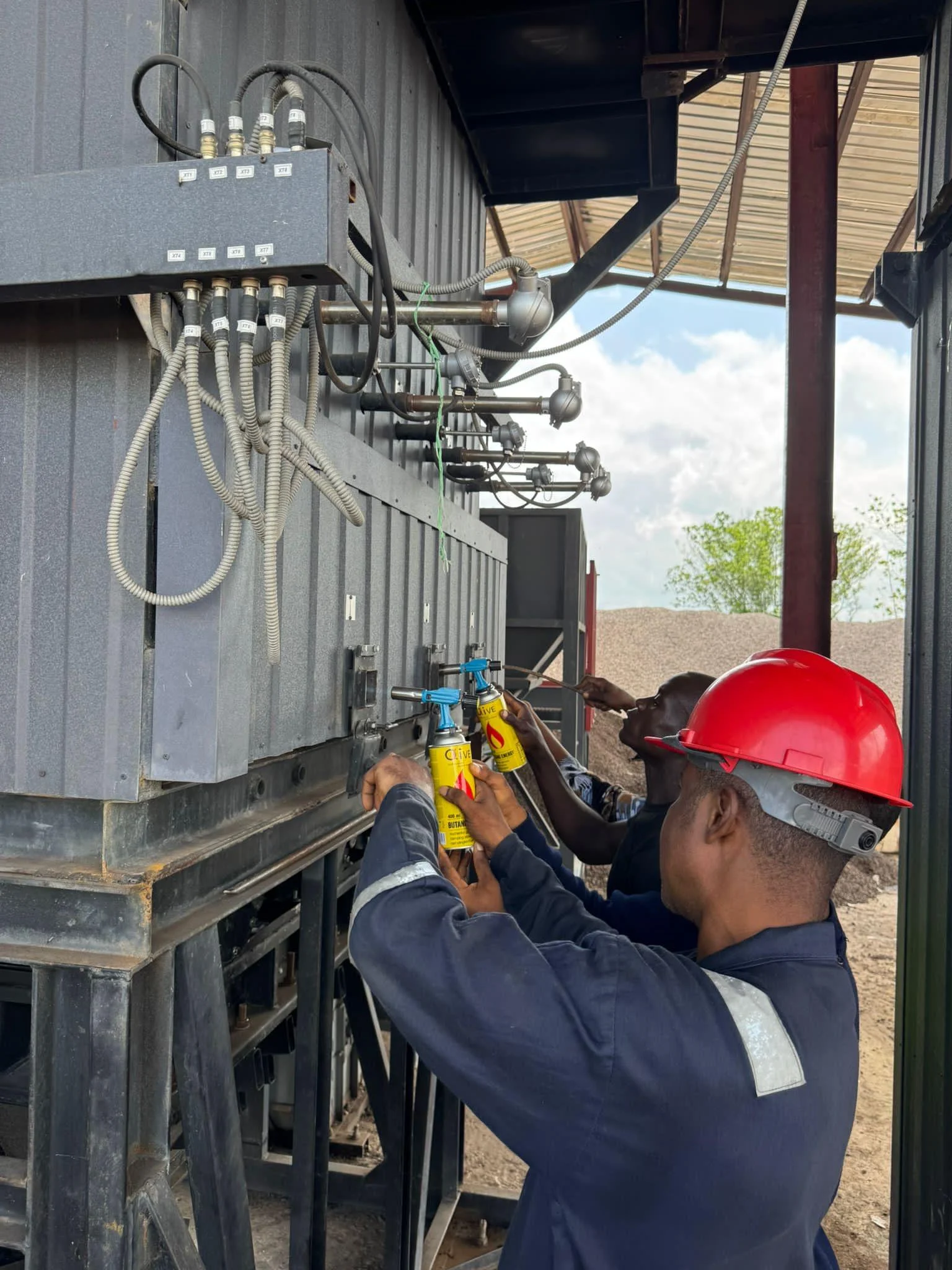
For the team, the immediate priority was resolving the issue. But from a documentation perspective, another responsibility matters just as much: recording what happened.
Maintenance logs should capture equipment faults, repairs, adjustments, downtime and changes to operating procedures. Where an interruption affects production conditions, the project needs enough information to assess whether the affected batch still meets the requirements for crediting.
An undocumented problem can become a much bigger question months later, when the people reviewing the project need evidence of what actually happened.
With the production history established, the auditor can now turn their attention to the material coming out of the machine.
4. The finished biochar: Can its quality be proven?
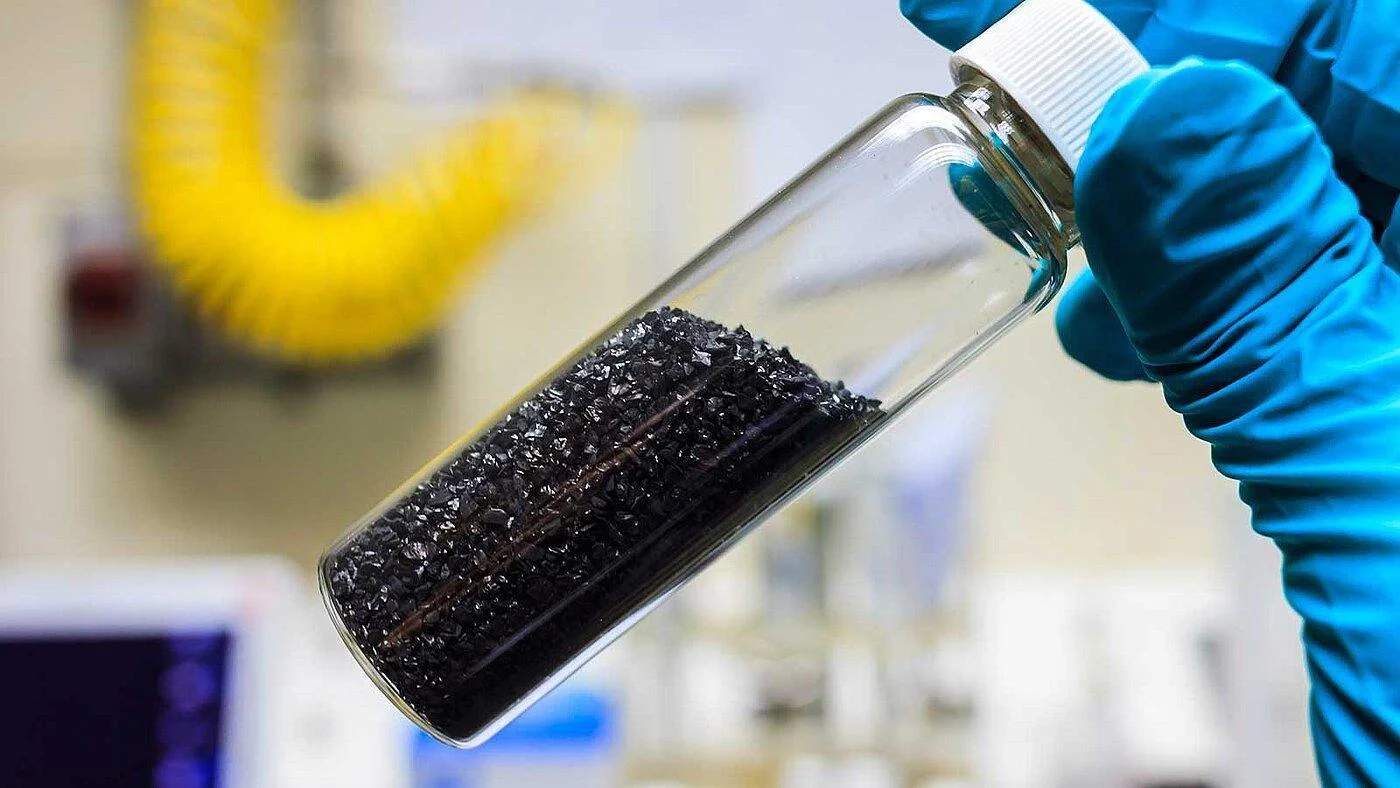
A dark, solid material may look like biochar, but appearance alone cannot establish its suitability for carbon removal.
Laboratory testing helps determine important characteristics, including carbon content and indicators of carbon stability. Depending on the chosen methodology, other properties may also need to be assessed.
Factories should retain laboratory reports, sampling procedures and test results that can be linked to the batches they represent.
That last detail is particularly important. A laboratory report is only useful when the project can demonstrate which material was sampled and how the results relate to the biochar being credited.
But even a well-tested batch has one more journey to complete.
5. Beyond the factory gate: Where did the biochar go?
The auditor's final question takes them beyond the production line.
How much biochar was produced? How much was stored, transported, sold or applied? Can the factory demonstrate its final destination?
Inventory records, delivery receipts, transport documents and application records help establish this chain of custody.
This matters because producing biochar is not the same as proving that carbon has been durably stored. The project must demonstrate that the material reached a destination that qualifies under its chosen carbon-crediting standard.
Without this evidence, the journey from incoming biomass to claimed carbon removal remains incomplete.
The evidence starts long before the auditor arrives
By now, the auditor has followed the material through the entire facility: from the moment the feedstock arrived to the point where the finished biochar left the factory.
Every stage has raised another question, and every question has required evidence.
That is why documentation should never be treated as paperwork to assemble when verification begins. It should be part of everyday factory operations, recorded as the work happens.
At Biochar Industrial Group, we understand that building a credible biochar industry requires more than converting organic waste into a useful product. It requires consistent processes, careful monitoring and reliable records that demonstrate what happens at every stage.
Because when someone asks how much carbon a tonne of biochar has removed, a factory should not have to reconstruct the answer months later.
It should be able to show them.