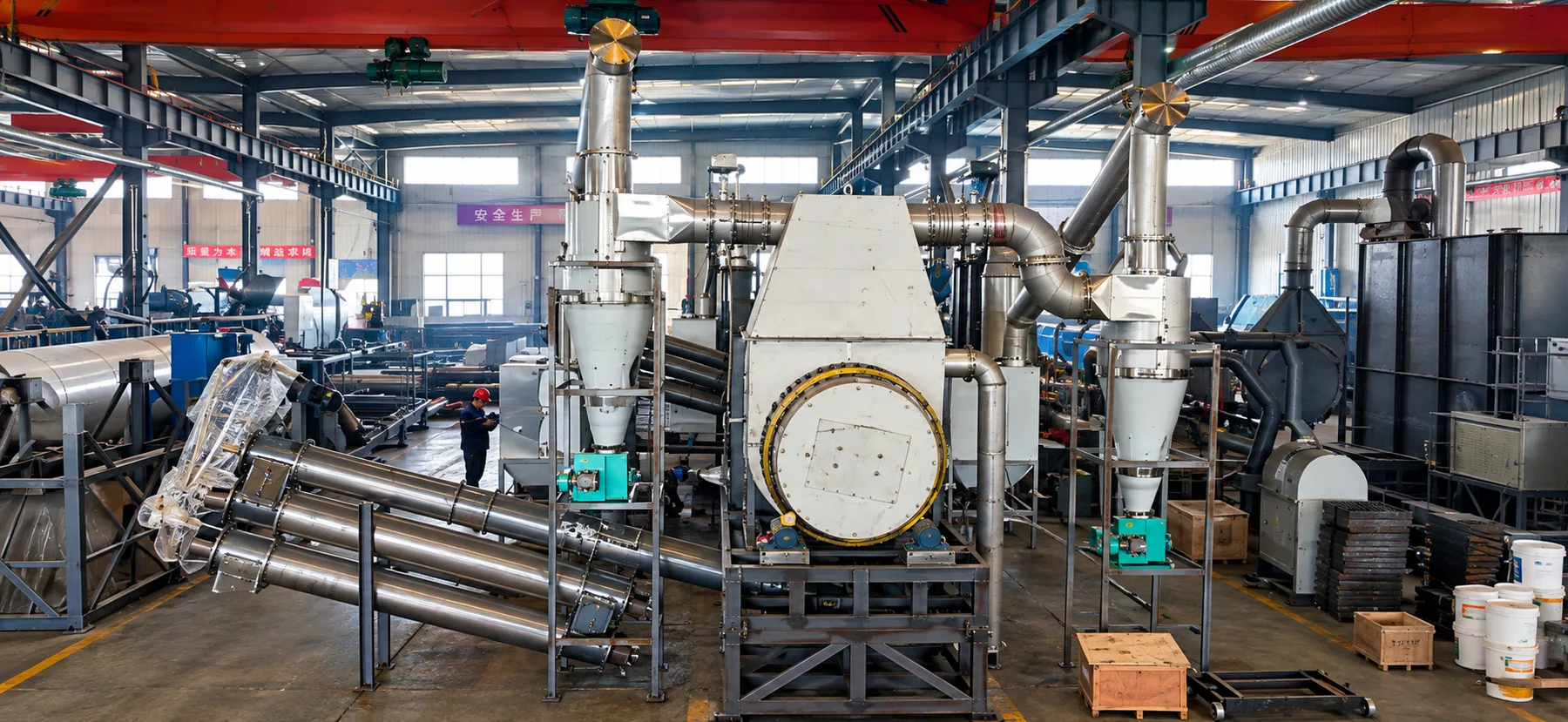
There is nothing particularly glamorous about starting the day with a pile of waste.
At first glance, biochar production can look deceptively simple: organic waste goes into a machine, controlled thermal conversion happens, and biochar comes out.
But spend a day around the plant and that neat picture starts to fall apart.
The waste doesn’t always behave the way you expect it to. Temperatures move. Equipment needs attention. Production can be different from what you planned for.
The machine doesn’t care about your plans. The factory doesn’t stop because you’ve had a difficult morning, and carbon credits certainly don’t appear just because you’ve produced a pile of biochar.
That is where our technical team comes in: in the space between how the process is supposed to work and what is actually happening on the plant floor.
The day starts with understanding what happened
By 6:30 am, the questions begin
How did production run overnight? Did the equipment hold its operating conditions? How much raw material went in? How much biochar came out? Did anything unusual happen?
The numbers are a starting point, not the whole story.
If production is lower than expected, the important question isn’t simply “What happened?” It’s “Why?”
Was the feedstock different? Did moisture vary? Did equipment behave differently? Was something adjusted during the run?
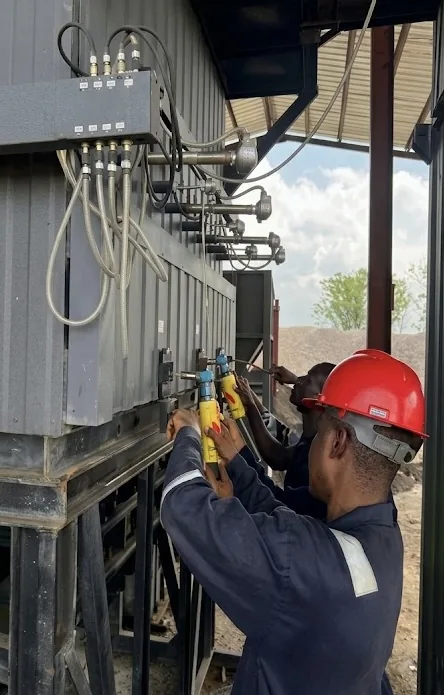
For our electrical technician Kingsley, the morning starts with checking temperature readings, raw material levels and the fire across the raw material and heat channels.
For maintenance team member Ufuoma, it means walking around the plant looking for faults and anything that needs attention.
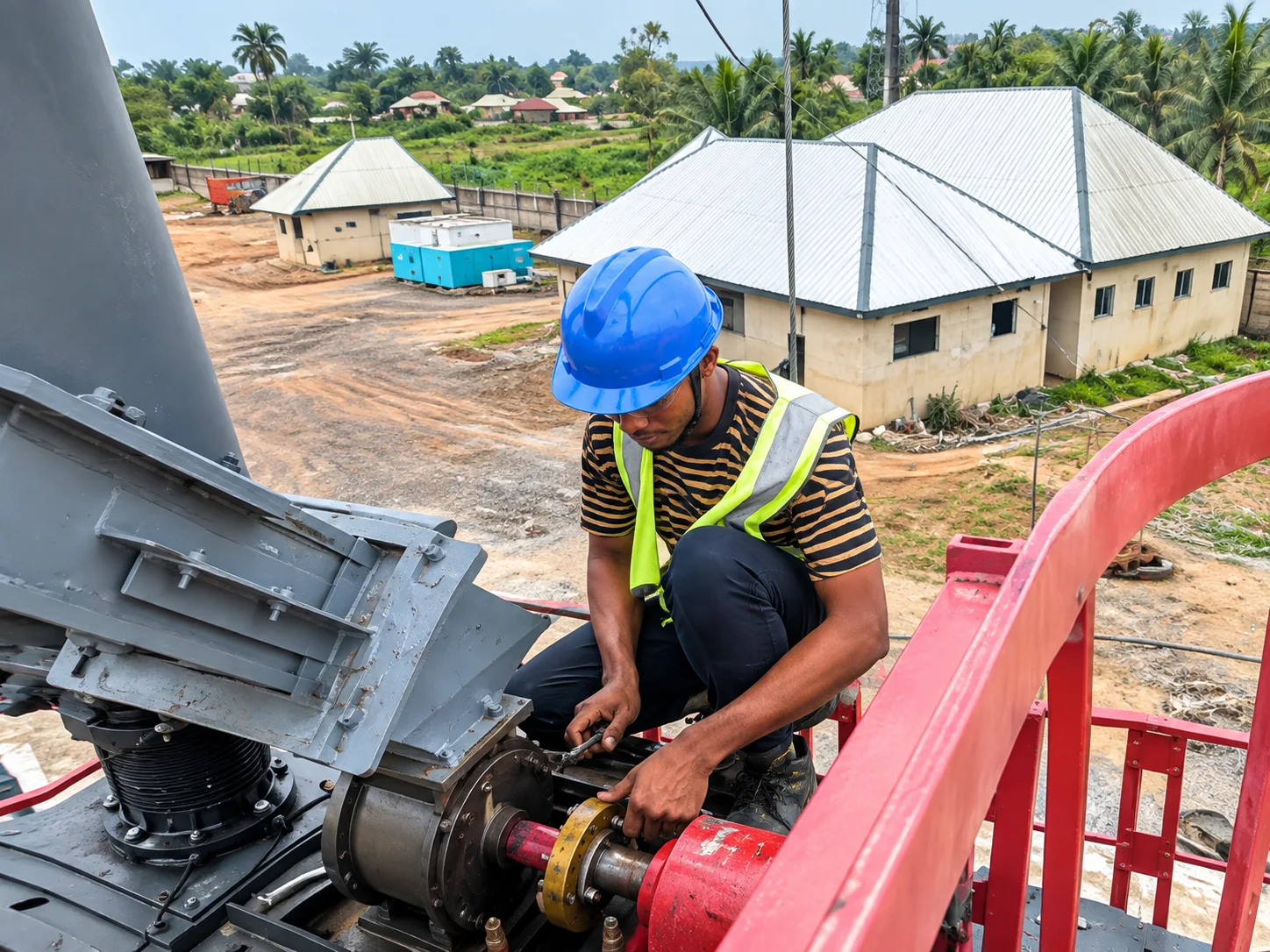
Different roles, same objective: understand what the plant is telling us before the day gets moving.
The factory is where the theory meets reality
On paper, the process makes sense.
Organic waste goes in. Controlled thermal conversion happens. Biochar comes out.
In a working factory, it is rarely that straightforward.
Our factory partners have their own rhythms, constraints and priorities. Feedstock changes. Equipment needs maintenance. Production requirements shift. Something that worked perfectly before can behave differently the next time around.
Kingsley describes carbonization as straightforward on paper but more complicated during actual processing because of temperature instability and variations in moisture.
These aren’t hypothetical questions. They are Tuesday, and that is where some of the hardest technical work happens.
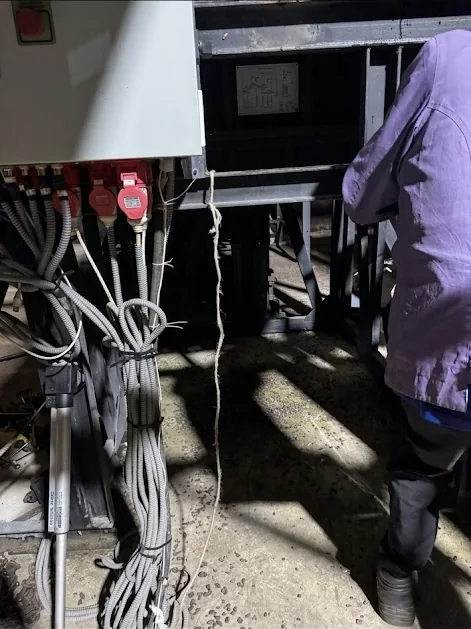
That is the difference between knowing how a process is supposed to work and actually making it work.
When things don’t go according to plan
There is a romantic version of climate technology: a machine humming quietly, everything running exactly as it should.
Our version is messier.
Feedstock changes, equipment misbehaves, numbers don’t add up, a factory partner calls with a problem that wasn’t on the morning’s agenda. So we troubleshoot, adjust, test, call, check again, and keep going.
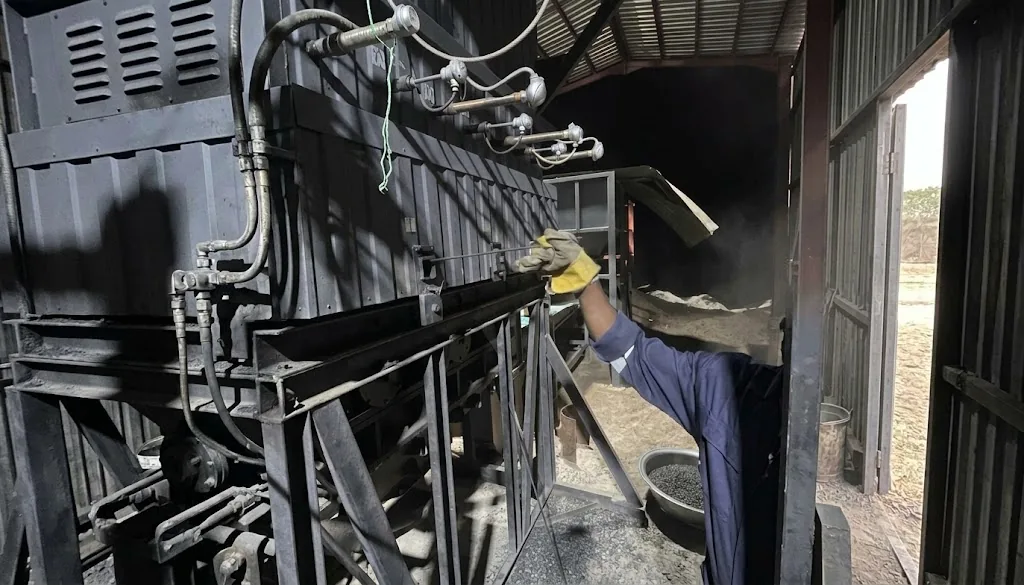
Sometimes it’s a blockage. Sometimes an equipment issue means the team has to rethink how part of the system is operating. One actuator problem, for example, meant the team had to move away from the automatic actuator-driven auger system and operate with an electric gear motor manually.
None of this makes it into the polished version of a climate-tech story.
But this is the story.
We don’t just hand over technology and wish our partners luck. We build the operational systems around it, and we stay when things get complicated.
And then there’s the part you can’t see
Producing biochar is only part of the job.
Behind every tonne is a trail of data: what went into the process, what happened during production, what came out, and whether the process can be measured, documented and verified.
Telling a good story doesn’t create a carbon credit.
The work has to be done, and you have to be able to prove it. Behind every data point is a person.
Someone noticed a change, someone questioned a number, someone called the factory, someone stayed late to solve the problem.
Making it work; again and again
For Kingsley, one of the hardest parts is temperature.
“Trying to stabilize the temperature is a puzzle.”
For Ufuoma, “Processing is the hardest part. Carbonization is the rewarding part.”
Maybe that is what makes the work so rewarding.
The goal isn’t simply to make a machine run once; it is to make a difficult process repeatable.
The feedstock has to arrive. The process has to run. Problems have to be solved. Data has to be captured. The factory has to keep moving.
That is what scale looks like: not one brilliant machine or one big idea, but hundreds of small things working together, repeatedly and reliably.
A pile of waste becomes something useful.
A difficult process becomes a repeatable one.
And a team turns an idea into something that can actually work in the real world.
We’re making it work.
And tomorrow morning, we’ll do it again.