Trial-site samples had sandy texture and less than 5% clay.
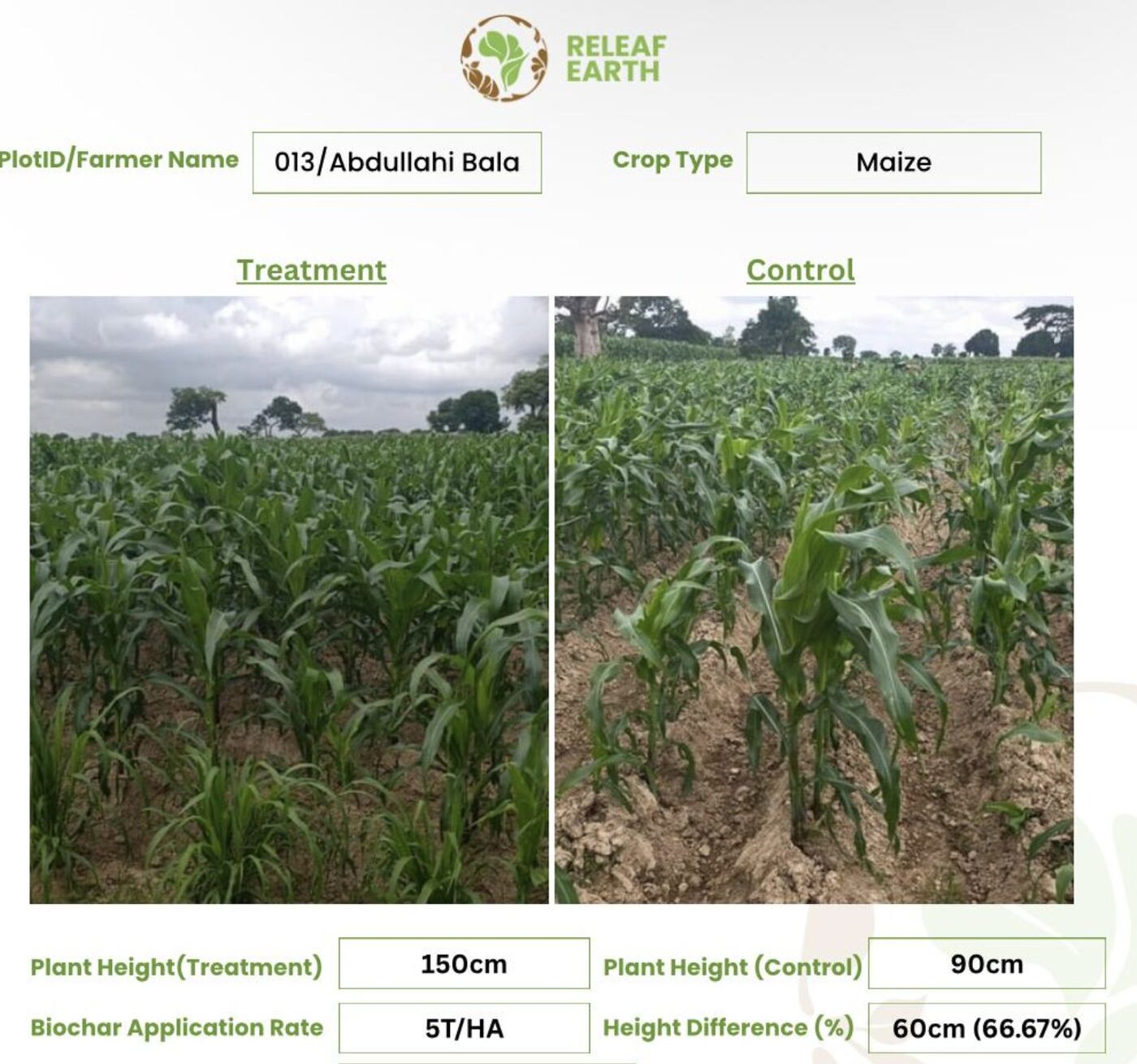
Measured in matched plots
Every trial came out ahead.
Plots were compared under the same farmer, cassava variety and planting date, with biochar as the treatment difference. Results are from specific trial sites and are not a promise of the same uplift on every farm.
Eteng Otosi Mbang50.00%
Wokoyim Ubi46.25%
Utum Isamon Utum39.60%
Ubi Timothy26.00%
Christiana Ikpi Okon23.10%
Charity Omini22.27%
Average calculated across six matched trials; yields measured by weighted harvest across matched mound samples per plot.
Application matters
More biochar was associated with a stronger yield response in these trials.
Plots receiving 5.6 kg per mound averaged a 40% uplift, compared with 24% for plots at 0.65 kg per mound. This is a dose-response signal from the trial data, not a universal application recommendation.
Soils, biochar properties, crop, weather and application method all affect results. Local agronomic guidance matters.
The soils we measured
Biochar can help address constraints in sandy, low-fertility soils.
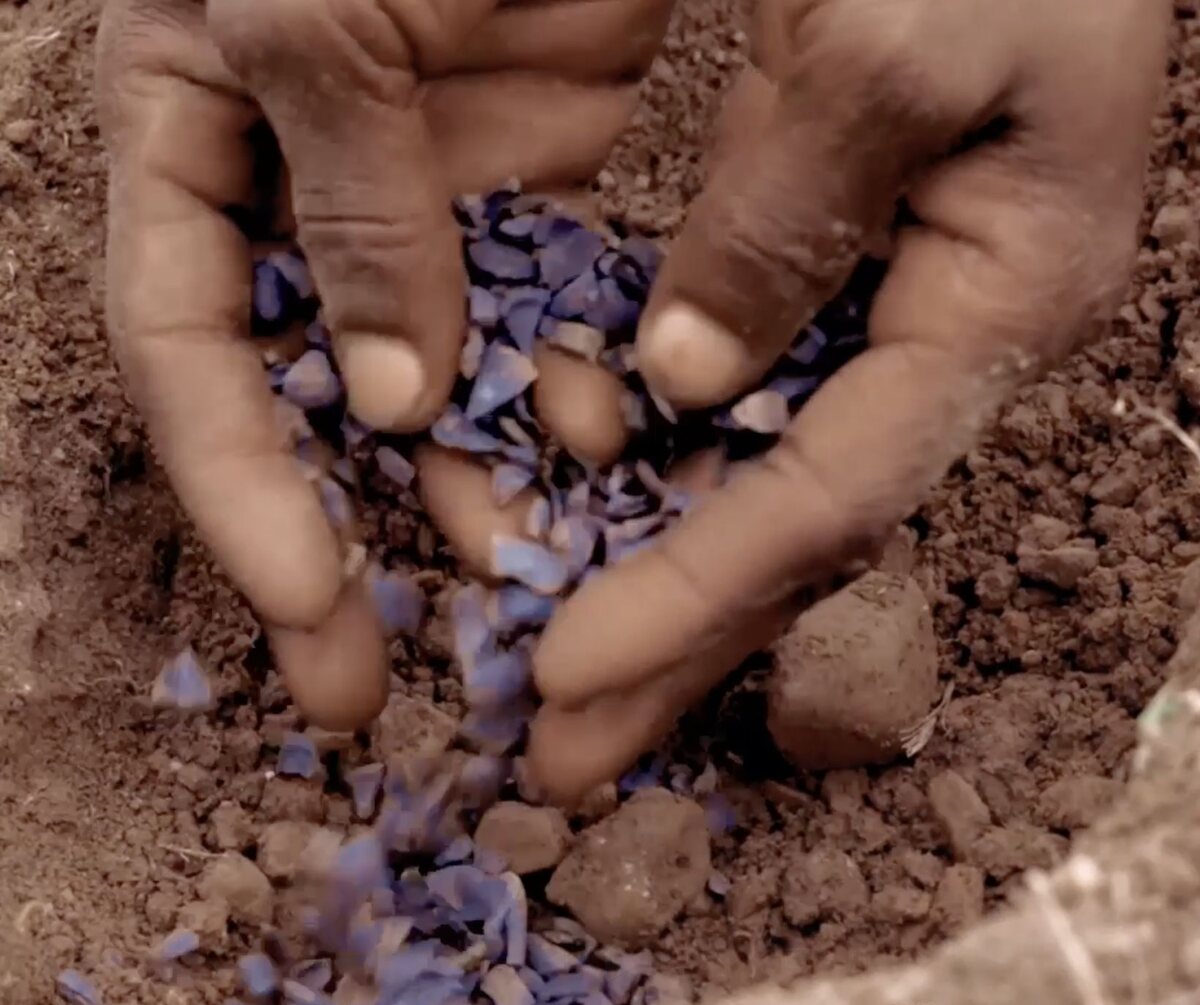
Soil analyses across Cross River trial sites found a range of conditions. Biochar characteristics shown here are based on independent laboratory analysis of PKS-feedstock biochar.
Measured organic carbon across sampled soils.
Measured water-holding capacity of the analysed biochar.
Dry-basis result for the tested biochar sample.
Want to explore biochar for your operation?
Talk with BIG about your residues, soils and project goals.