Biochar’s stable carbon fraction is intended for durable storage, supported by feedstock, production and testing records.
A durable removal pathway
Carbon removal built around measurable storage.
Biochar converts eligible agricultural residues into stable carbon. BIG’s project model connects processor sites, biochar production and carbon-credit development, with evidence and monitoring central to the process.
Credits begin with agricultural residues that can be identified, measured and tracked through the project.
Projects can put underused residues to work while returning biochar to agricultural soils.
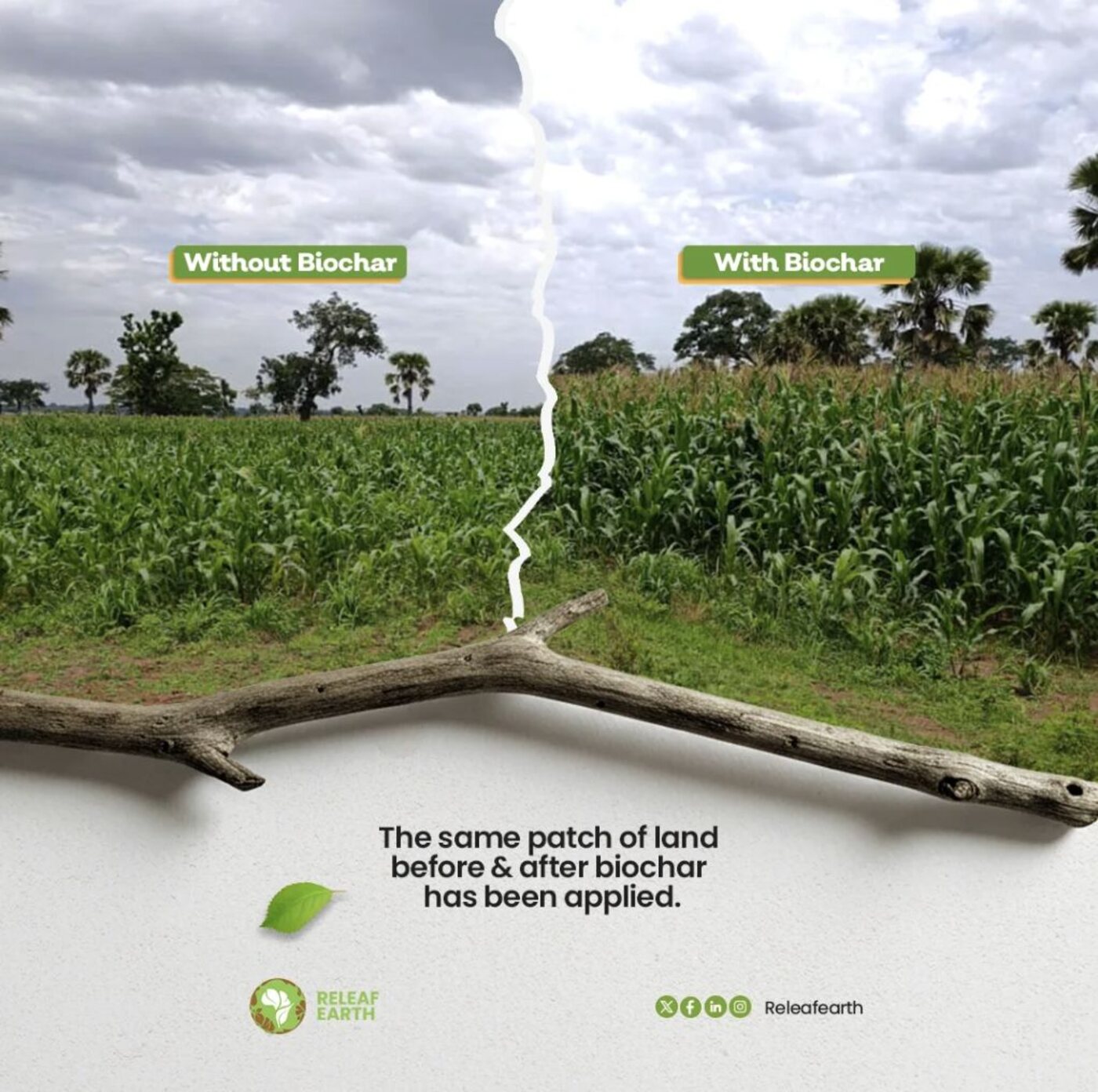
Carbon removal with a soil story
Turn agricultural residues into a resource.
BIG works with agricultural processors to convert suitable residues into biochar. The resulting material stores carbon and can support soil improvement when applied appropriately.
Project design, feedstock suitability, production and carbon accounting matter. We discuss the project evidence and delivery expectations with buyers before a purchase.
See field trial resultsHow it works
From residue to verified removal.
Identify suitable residues
Assess processor feedstock, volumes and operating context before a project is designed.
Make and document biochar
Track production and relevant material characteristics with project-level documentation.
Measure and issue credits
Apply the project’s carbon accounting and verification requirements to quantify eligible removal.
Secondary planning tool
Estimate the after-tax cost.
Model a purchase scenario. The tax estimate is illustrative only: eligibility and treatment depend on the buyer, transaction and applicable law. Confirm with your tax adviser.
This estimate is not tax or investment advice and does not represent a guaranteed credit price or tax benefit.
Purchase spend$150,000
Illustrative tax effect$31,500
Estimated net cost$118,500
Cost per credit after estimate$118.50
Talk with our team
Request a carbon credit quote.
Share the volume you’re considering and your target delivery window. We’ll follow up to discuss availability, project evidence and next steps.
Submitting this form does not reserve credits or set a final price. Our team will confirm availability and terms with you.